
At the 'fin del mundo'


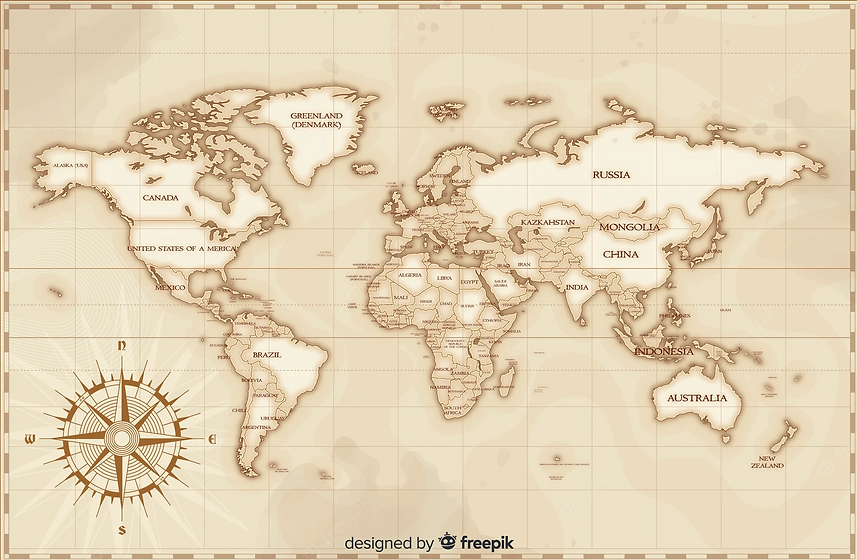
We spend the first three weeks in South America exploring Patagonia following the typical tourist route: Punta Arenas, Puerto Natales, the 'W circuit' in Torres del Paine, El Calafate with the wonderful Perito Moreno, El Chalten and San Carlos de Bariloche. After Bariloche we move on to Puerto Varas where we have booked a small camper van that within 3 weeks must accompany us throughout the 'ruta 40' which crosses Argentina lengthwise from south to north until we reach San Pedro de Atacama (back in Chile), the last stop before entering Bolivia. Once seated in Wilma's driver's seat (that's what we called our little van), we decide to head back south a bit before starting the ascent north. And so after a couple of hours of driving and a half-hour ferry crossing, we find ourselves on the island of Chiloè, at the 'fin del mundo' (the end of the world) as the inhabitants themselves call it. Not a surprise that the 'Route 5', also known as the Pan-American Highway, which starts in Alaska and crosses the whole of America by the longest distance, ends right on the Island of Chiloé.
We are greeted by constant and aggressive rain, which apparently is no surprise on the island. In fact, Chiloé not only shares Patagonia's rough and rugged nature, but is also at the mercy of the winds coming in from the Pacific. The coast of Chiloé is all jagged and the island is actually surrounded by many smaller islets. As if the land, in the encounter with the Pacific waters, has shattered into many pieces. The sky clears just in time for sunset, when we stop in a secluded spot, among the trees bordering a small beach: the first night of free camping. We set up table and chairs outside, but as soon as the sun disappears, the damp cold penetrates our bones and we have to run to hole up in the camper. I'm thankful that I didn't skimp when I bought the sleeping bag for this trip!!!
As we wake up, the sun peeking through the treetops warms us a little as we drink our coffee, but this is short-lived as a heavy and aggressive rainstorm envelops us for most of the day. Fortunately, we only have to drive! We venture into the streets of Chiloé where it is just us most of the time. The roads unravel in a continuous up and down, more than left and right turns. The hills are green and dotted here and there with a few solitary pastel-coloured houses (and here the Chileans spare no expense on imagination: turquoise, yellow, bright pink...), each one surrounded by horses or goats or cows scattered in a vast green void. We find out only some time later that a move in Chiloé consists of literally transporting the entire wooden house, hoisted on logs and pulled by oxen. A great celebration for the community!
We visit some of Chiloé's wooden churches, all Unesco heritage sites. Many of them are also coloured: yellow in Chonchi, blue in Castro, white in Dalcahue. While seeing a church with its columns and naves all made of wood is unusual, on the other hand it makes complete sense on an island rich in wood but poor in any other material. We end the day on the west side of the island, on the Pacific coast. The wind blows rough on our skin and the waves seem to threaten anyone not to enter these dangerous waters. Yet the scenery is majestic and beautiful, the rain disappears shortly before our arrival and gives way to no less than two crystal-clear, colourful rainbows, forming a perfect full arc from side to side. Apart from us and Wilma, there are only two solitary cows grazing unperturbed on the beach. Could it be one of Chiloé's mythological creatures, the 'vaca marina', who lives in the Pacific and only leaves these stormy waters to befriend, and then conjoin, a land bull? The night passes in a somewhat mystic atmosphere, at the mercy of the wind, and in the morning we can enjoy another rainbow show while drinking coffee.
We spend the rest of the days battling the rain and wind, admiring colourful wooden houses and lonely churches, observing small boats in the island's many coves, and above all getting lost in the atmosphere of this lonely, rough, raw, somewhat forgotten land that makes you feel nothing else than beautifully lost at the 'fin del mundo'.
Food: Curanto! This is the traditional dish of Chiloé. It consists of a mountain of seafood enclosed in a net together with potatoes, three kinds of meat, and two different kinds of dumplings, all cooked in an earth oven. Delicious, but it is coma assured! In Chiloé you can also taste the 'loco', which consists of an enormous sea snail (bigger than a hand) found only along the coast of this island.
Music: El Lobo Chilote by Héctor Pavez
The friendliest people: the cows
Highlights of the trip: We saw the first gaucho of this trip!
Lowlights of the trip: rain, rain and again rain


Comments